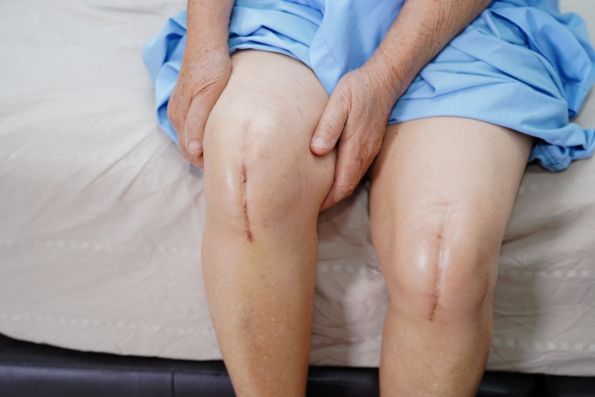
Knee pain slowly takes away your freedom. Stairs, walking, and sitting on the floor become hard. Many people delay treatment because they fear long hospital stays and infection. Same-day surgery is changing that fear.
What Is Same-Day Knee Replacement Surgery?
Same day knee replacement surgery is also called outpatient knee replacement. The worn-out joint surface is replaced with an artificial implant. However, you do not stay overnight in the hospital.
You come in the morning. The operation usually takes one to two hours. After a few hours of monitoring, you go home. Physiotherapy often begins on the very same day.
This became possible because of newer methods. Surgeons now use muscle-sparing techniques and smaller cuts. Anesthesia wears off faster. Pain control is stronger and safer than before.
Why Joint Infection Worries So Many Patients
Infection around an implant is called periprosthetic joint infection. It is uncommon, but it is serious. It affects roughly one in a hundred knee replacement patients.
Bacteria can settle on the metal and plastic surfaces. There, they build a sticky shield called biofilm. As a result, antibiotics struggle to reach and kill them.
Treatment then becomes long and painful. Some patients need a second operation. Therefore, prevention matters far more than treatment. This is why the timing of discharge is now studied so closely.
How Same-Day Surgery May Lower Infection Risk
Early discharge is not only about the convenience aspect; it affects many risk factors simultaneously.
- Reduced hospital exposure. Hospitals harbor resistant bacteria. Less time spent means reduced exposure to the pathogens.
- Reduction in tubes and lines. Devices such as urinary catheters and long IV lines serve as the entry routes for microorganisms. The same-day process avoids them.
- Quick mobilization. Early standing and ambulation stimulate faster blood circulation and increase healing.
- Tighter operating room discipline. These cases run on strict timing. Shorter surgery and fewer people in the room mean cleaner conditions.
- Healthier patients selected. Only fit patients are chosen. Their bodies already fight infection better.
What the Evidence Actually Shows
Knee replacement studies in outpatients versus inpatients are promising. The risk of infection is either similar or a bit lower in the former.
The truth must be told, however. The researchers cannot conclude that discharge prevents infections because part of the advantage stems from the right patients being selected.
Still, the message is reassuring. Same day knee replacement surgery does not increase your infection risk. For the right patient, it may reduce it. Thus, fear of early discharge is largely outdated.
Who Is a Good Candidate?
Not everyone should go home the same evening. Your surgeon checks your health in detail first.
You may be suitable if your sugar and blood pressure are controlled. Your heart and lungs should be stable. You should not smoke. A family member must stay with you at home.
You may need an overnight stay if you have uncontrolled diabetes. The same applies to severe obesity, weak immunity, or bleeding disorders. Patients living far from the hospital also need caution.
Choosing correctly is the most important safety step. Consequently, an honest assessment protects you better than any antibiotic.
Safety Steps That Protect Your New Joint
Good outcomes depend on preparation, not luck. Planning starts weeks before your surgery date.
Before your operation, dental problems and skin infections are treated. Blood sugar is brought under control. Smoking must stop. You may be asked to use an antiseptic wash at home.
During the operation, antibiotics are given at the correct time. Sterile techniques and clean-air systems are used. Surgery is kept short and precise.
After the operation, the dressing stays sealed and dry. You walk with support the same day. Follow-up visits confirm that the wound is healing well.
Warning Signs You Should Never Ignore
Contact your surgeon if you feel there is something wrong. This will help to avoid major issues.
Look out for any fever that exceeds 100.4°F. Pain that continues to increase in the third and fourth days should be noted. An expansion of redness in the wound area should be reported.
Sudden stiffness or a warm, swollen knee also matters. Therefore, never wait for the next scheduled appointment.
Planning Your Surgery in Agra
When you plan surgery for your knee replacement, ask clear questions. Ask about implant type, infection rates, and discharge protocols. A good surgeon will answer without hesitation.
Dr. Abhishek Gupta performs knee replacement surgery in Agra using modern, muscle-sparing methods. Each patient is screened carefully before same-day discharge is offered.
Some patients are advised to stay one night. That decision is based on safety, not preference. As a result, you get a plan built around your own health.
Making a Confident Decision
Same day knee replacement surgery is safe for well-selected patients. It shortens hospital exposure and speeds up movement. Both of these help lower infection risk.
However, the real protection comes from good preparation. Control your sugar. Stop smoking. Treat dental issues early. Follow wound care instructions strictly.
In case you are considering undergoing surgery for your knee replacement, schedule an appointment to have a thorough evaluation done. It will give you an idea of whether same-day discharge is right for you. Your knee deserves that.