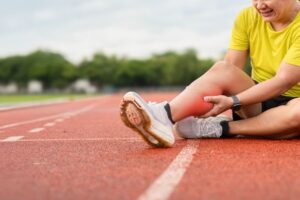
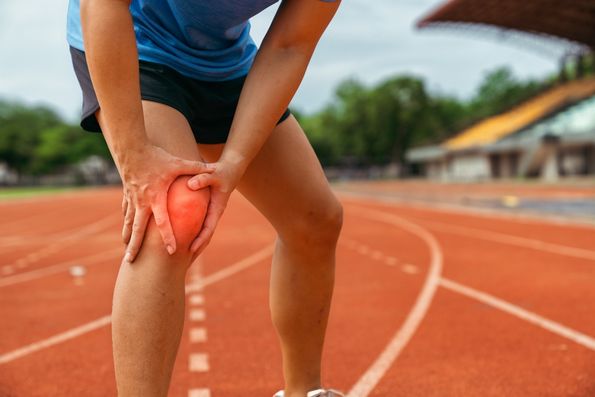
One awkward landing. A sudden turn while the ball goes the other way. That’s often all it takes, and the knee that carried you through years of cricket, football or badminton suddenly won’t take your weight. If that’s where you are right now, the first thing worth knowing is this: most knee injuries in sports can be treated well, and quite a lot of them heal without surgery.
Below, we’ve outlined what typically happens, what options look like, and how recuperation tends to progress. Of course, nothing here is a substitute for a professional check-up. But it should make that initial visit a little less confusing.
This blog helps to know about the necessity and situation for surgical or non surgical treatment.
Why Are Knee Injuries in Sports So Common Anyway?
Knee Injuries in Sports happen so often because the knee does a lot of hard work for a joint that is, honestly, not built very deep. It’s held together mostly by ligaments, cartilage and muscle, not by bone. So when the foot stays planted and the body twists, something has to give.
Sports with sprinting, jumping and quick changes of direction carry the highest risk. Football, kabaddi, basketball and badminton come up a lot in our clinic. Running long distances on hard roads adds its own wear too, just more slowly.
Who gets hurt the most?
Young players pushing hard in a tournament season. Weekend players who sit at a desk all week and then play two hours of cricket on Sunday. And older athletes whose cartilage has thinned a bit over the years.
The Injuries We See Most Often
Not every knee injury is the same, and the treatment depends a lot on which part of the joint took the hit.
ACL tear. The anterior cruciate ligament sits inside the knee and stops the shin bone from sliding forward. It often goes with a pop, followed by swelling within a few hours. Many players say the knee simply “gave way”.
Meniscus tear. The meniscus is a rubbery cushion between the thigh bone and the shin bone. Twisting under load can tear it. You might feel catching or locking, or the knee just refuses to straighten fully.
MCL sprain. A blow to the outer side of the knee, quite common in contact sports, stretches the ligament on the inner side. Mild ones settle with rest. Bad ones need longer.
Patellar tendinitis. Also called jumper’s knee. Pain sits just below the kneecap and gets worse with jumping or climbing stairs. It’s an overuse problem more than an accident.
Dislocated kneecap. The kneecap slips out of its groove, sometimes popping back on its own. Frightening, yes, but very treatable.
Signs You Shouldn’t Play Through
A lot of athletes try to run it off. Sometimes that works for a bruise. With a proper sports injury to the knee, it usually makes things worse.
Get it checked if you notice any of these:
- Swelling that comes up fast, within a day or so
- The knee buckling or feeling loose when you change direction
- You can’t fully bend it, or can’t fully straighten it
- A locking or clicking feeling that keeps coming back
- Pain that hasn’t eased after a week of rest, even if it’s mild
How Is a Knee Injury Diagnosed?
Dr. Abhishek Gupta usually starts with a conversation. How did it happen, what did you feel, what’s been going on since? Then comes a physical exam – the knee gets moved and pressed in a few specific ways that tell a lot about which ligament or cartilage might be involved.
An X-ray helps rule out a fracture. If you’re facing a ligament or meniscus tear, an MRI gives a much clearer picture. Not everyone needs one, though.
Treatment Options, From Simple to Surgical
The good news? The first line of treatment for most Knee Injuries in Sports is conservative. Surgery is kept for cases where the joint is unstable, or the damage simply won’t heal on its own.
Rest and early care
For the first couple of days, rest, ice, a compression bandage, and keeping the leg raised help control swelling. Pain medicines may be advised for a short while. Avoid heat and massage in those early days; they can make the swelling worse.
Bracing and support
A knee brace can protect the joint while it heals, especially for ligament sprains. Some players need crutches for a week or two.
Physiotherapy
This is where most of the real healing happens. A structured physio plan rebuilds the thigh muscles, gets movement back, and slowly trains balance again. Skipping physio is probably the most common reason a knee injury comes back.
Injections
In some overuse problems and early cartilage wear, injections such as PRP may be discussed. They’re not right for everyone, and the doctor will explain whether they fit your case.
Arthroscopic surgery
When surgery is needed, it’s often done through keyhole (arthroscopic) methods. ACL reconstruction and meniscus repair are the common ones for athletes. Small cuts, a camera, and usually a shorter hospital stay than open surgery. Anyone wanting to know how the clinic approaches sports injuries treatment in Agra can read more about it there.
What Recovery Truly Looks Like
Recovery is a challenge of patience. That’s honestly the hardest thing for most athletes.
A slight sprain may resolve itself in a few weeks. Meniscus repair takes several months. ACL reconstruction is about a nine month return to competitive sport, perhaps longer, and if you push it too soon you will do it again.
A few recovery tips that genuinely work
- Attend all your physio appointments, even if you’re feeling fine
- Don’t measure your preparedness by pain. A knee can cease aching before it is strong enough to cut and pivot again.
- eat properly – enough protein from dal, eggs, paneer, whatever suits you
- Sleep. Healing does a lot of its work at night.
- keep the rest of your body moving with upper-body work or swimming, if your doctor allows it
- Go back to sport in stages: jogging first, then running, then drills, then matches
The mental side
Being out of the game for months is frustrating. Some players feel low, or nervous about relying on the knee again. That’s normal. Talking about it with your coach, your family or your physio helps more than people think.
Can a Sports Injury to the Knee Be Prevented?
Not every time. Accidents happen. But the risk of a sports injury comes down quite a bit with a few habits.
Warm up properly before play, not just a couple of quick stretches. Strengthen your thighs, hips and core during the off-season. Wear shoes that suit your sport and the surface; a turf shoe on a cement court in the Agra summer isn’t doing your knees any favours. And learn to land softly from jumps, knees slightly bent and not collapsing inwards.
Rest days matter, too. Playing every day, no respite, slowly wears the tendons down.
When Should You See an Orthopedic Doctor?
If your knee is swelling, unstable, locked or just not getting better it’s time. Early diagnosis usually ensures easier therapy. If you leave a damaged ligament for months, it might harm the cartilage worse.
Dr. Abhishek Gupta sees athletes of all levels in Agra, from school players to working adults who play on weekends. No pressure, no rush to operate. Just a clear look at what’s going on and what makes sense for you.