However, the hip joint is also one of the most durable joints in the human body. Nevertheless, the joint can be dislocated from its normal position due to a powerful force.
What Is Hip Joint Dislocation?
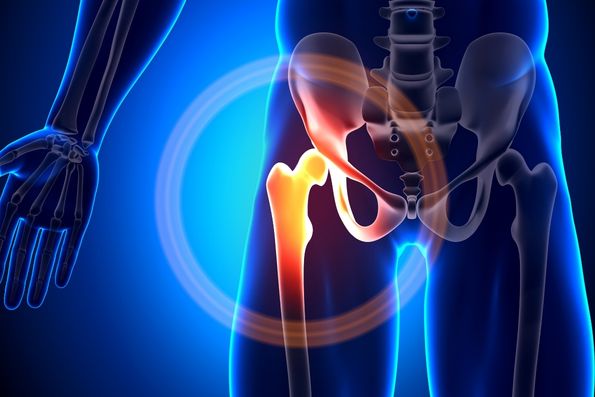
The hip is a ball-and-socket joint. The rounded top of the thigh bone sits inside a deep socket in the pelvis. Strong ligaments and muscles hold it firmly.
Hip joint dislocation happens when the ball slips out of this socket. The joint cannot move normally anymore. The leg often looks twisted or shorter. This is not a minor sprain. It is a true emergency. Therefore, the patient must reach a hospital immediately.
Types of Hip Dislocation
Doctors group dislocations by the direction the ball moves.
- Posterior dislocation. The ball moves backward. This is by far the most common type. The leg turns inward and looks shorter.
- Anterior dislocation. The ball moves forward. The leg turns outward and stays slightly bent.
- Central dislocation. The ball is pushed into a broken socket. A pelvic fracture is usually present.
Each type needs a different handling method. Thus, accurate diagnosis comes before any treatment.
What Causes a Hip to Dislocate?
Most cases follow a strong, sudden force. However, some patients dislocate with very little force.
- Road accidents. A knee striking the dashboard drives the hip backward.
- Falls from height. Common in construction work and older adults.
- Contact sports. Football, wrestling, and skiing carry real risk.
- After hip replacement. The artificial joint can slip out during deep bending or crossing the legs.
- Weak or loose joints. Some people are born with shallow sockets or loose ligaments.
- Infant hip problems. Developmental dysplasia can cause dislocation early in life.
Patients with a previous dislocation face a higher risk again. As a result, they need extra caution during daily movement.
Symptoms You Should Not Ignore
The signs are usually obvious and severe.
- You feel hip pain all of a sudden and a grinding sensation
- Complete inability to move or stand on the leg
- One leg appearing shorter than the other
- The knee and foot turning inward or outward
- Visible swelling or a strange bulge near the hip
- Numbness or tingling in the foot
Never try to push the joint back yourself. This can damage nerves and blood vessels. Instead, keep the leg still and call for help.
Why It Is a Medical Emergency
The blood supply to the ball of the joint is delicate. When the hip dislocates, these vessels stretch or tear. Bone tissue can then start dying.
This condition is called avascular necrosis. It may develop months later. Consequently, the joint slowly collapses and becomes painful.
The sciatic nerve also runs close behind the joint. Pressure on it can cause weakness or numbness in the foot. Early correction lowers both risks sharply.
Doctors aim to put the joint back within six hours. Delay increases long-term damage significantly.
How Doctors Confirm the Diagnosis
Diagnosis frequently provides an instant answer to the issue. Just the way the leg is placed provides a significant hint.
The X-ray images reveal the exact direction of dislocation. Any fractured bone in that area can also be found through these images. Next comes the CT scan, which uncovers any fragments lodged in the hip joint.
An MRI may be advised later. It checks the blood supply and soft tissue damage.
Hip Joint Dislocation Treatment
The first step is emergency reduction. The doctor gently guides the ball back into the socket. Sedation or general anesthesia is used, as the muscles must relax fully.
This is called closed reduction. It works in most cases. Relief is usually immediate afterward.
Sometimes closed reduction fails. Bone fragments or torn tissue may block the joint. Open surgery is then required. The surgeon clears the blockage and repairs any fracture. Hip joint dislocation treatment does not end there. Repeat X-rays confirm correct positioning. The leg may be placed in traction or a brace for a short period.
For patients with an artificial joint, treatment differs. Repeated dislocations may need revision surgery. Specialized implants can hold the joint more securely.
Recovery and Rehabilitation
Thinking about how long the pain will stay, well, that depends on your injury. If it is only a dislocation, it should be fine in two to three months. However, cases involving fractures require more time.
The individual walks using either crutches or a walking aid. The load on the affected leg will be gradually increased. Physical therapy begins immediately after injury to prevent stiffness.
Exercises rebuild the muscles around the hip. Strong muscles hold the joint in place. Therefore, skipping physiotherapy raises the chance of another dislocation.
Follow-up X-rays continue for up to two years and are an important part of treatment for dislocated hip. These check for avascular necrosis and early arthritis. Most patients return to normal activity with proper care.
Protecting the Hip Afterward
Certain positions must be avoided during healing. Do not cross your legs. Avoid bending the hip beyond ninety degrees. Do not turn the foot inward while standing.
Use a raised toilet seat and a firm chair. Sleep with a pillow between the knees. Wear supportive footwear. Treatment for a dislocated hip works best when patients follow these rules honestly. Thus, small daily habits protect the joint for years.
Getting Expert Care in Agra
Every dislocated hip needs urgent specialist attention. Delay changes the outcome permanently. Your first step for treatment for dislocated hip starts with consulting an expert.
Dr. Abhishek Gupta is an experienced orthopedic doctor in Agra who manages traumatic and post-surgical hip dislocations. Treatment plans are based on the injury type and your age.
Patients with damaged or unstable joints may require hip replacement surgery. This decision follows detailed imaging and discussion.
Moving Forward After a Hip Dislocation
A dislocated hip is scary, but it can be treated successfully. A quick response will determine the effectiveness of rehabilitation of the joint.
Be aware of the symptoms. Get to the hospital immediately. Finish all the sessions of physiotherapy prescribed to you. Go to all follow-ups, even if there is no pain anymore.
If you have problems with your hip after an injury or after having a hip replacement, get yourself checked as soon as possible.