
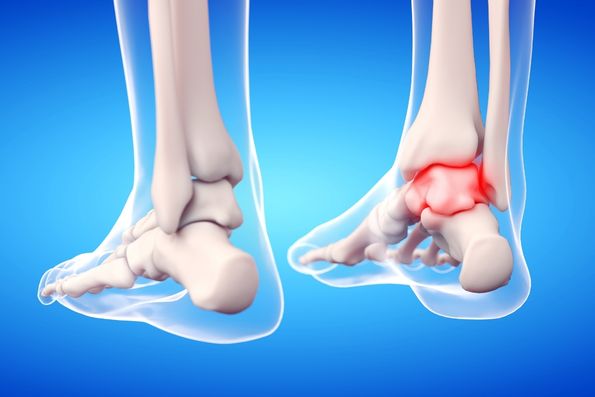
A single fracture is one thing. Complex trauma injuries are something else: the bones, joints, muscles and sometimes organs are all hurt at once, usually after a road accident or a bad fall.
Treatment for this kind of injury doesn’t follow a neat order. Doctors have to decide what needs fixing first, what can wait a few days, and how the whole body will cope with the plan.
What Makes Complex Trauma Injuries Different From a Simple Fracture?
A clean break of a single bone is a simple fracture, with the skin intact and nothing else much affected. Complex trauma injuries don’t stay that tidy. There might be two or three broken bones in different parts of the body, or a single bone shattered into many pieces, or a break that runs right into a joint.
The soft tissue matters just as much. When muscles, nerves, blood vessels or skin are badly damaged along with the bone, healing gets harder and the risk of infection goes up. Doctors often call a patient with several serious injuries a “polytrauma” case. It basically means the whole body is under strain, not just one limb.
Where Do Complex Trauma Injuries Usually Come From?
Road accidents top the list in most cities, Agra included. Two-wheeler crashes on busy roads, highway collisions at speed, a pedestrian being hit. Then there are falls from a height on construction sites, accidents with heavy machinery, and sometimes injuries in farm work.
Older people are a slightly different story. Weak bones can break in more than one place after a fall that looks quite ordinary at home.
Injuries That Often Turn Up Together
Every patient is different, but a few patterns come up again and again in trauma wards:
- Open fractures, where the broken bone pushes out through the skin and the wound gets contaminated
- Crush injuries to the leg or arm, mostly from vehicles or machinery
- A fracture with a dislocated joint at the same time, around the hip, knee, elbow or ankle
- Pelvic fractures alongside a broken thigh bone
- Spine injuries combined with limb fractures, which needs very careful handling when the patient is being moved
The First Few Hours Matter a Lot
Fixing bones isn’t the first priority. Breathing, bleeding and blood pressure come first, and the team works on keeping the patient stable before anything else.
For the broken bones, the early step is often temporary. Splints, traction, or an external fixator (metal pins in the bone held by a frame outside the skin) keep things in line while swelling comes down. Doctors sometimes call this “damage control”. The final repair can wait until the patient is strong enough for a longer operation.
What Complex Trauma Surgery Actually Involves
Complex trauma surgery is rarely one operation. Many patients go through it in stages over days or weeks, each surgery dealing with a different problem.
Plates, screws and metal rods are used to hold broken pieces in their place. Open wounds need cleaning, sometimes more than once. Where skin or muscle has been lost, the orthopaedic surgeon may work alongside a plastic surgeon to cover the area. For fractures that enter a joint, the aim is to rebuild the joint surface as smoothly as possible, since an uneven surface can lead to arthritis later.
The planning around Complex trauma surgery is just as important as the operation itself; scans, blood tests and a check of other injuries all shape the timing. Consult an expert to learn more about complex trauma surgery in Agra, this will certainly help the patient’s family understand how these cases are handled at the clinic.
Recovery Is Slow, and That’s Normal
Nobody walks out of a trauma ward fully healed. Bones take a few months to join, and with multiple injuries, recovery can stretch well beyond that. Physiotherapy starts early, sometimes while the patient is still in hospital, and continues for a long while after.
There can be setbacks. Infection, stiff joints, a bone that heals slowly or doesn’t join properly. These risks are part of any major injury, which is why regular follow-ups after complex trauma surgery shouldn’t be skipped. Many patients get back to work and daily life; it just takes patience and steady rehab.
When Should Someone Get Help?
After any serious accident, the person should be taken to a hospital emergency even if they seem okay at first. Some injuries, internal bleeding in particular, don’t show up straight away.
Warning signs include a limb that looks bent or out of shape, bone visible through a wound, heavy swelling, numbness or cold fingers and toes, and confusion or drowsiness. Try not to move someone with possible neck or back injuries unless they’re in danger where they are.